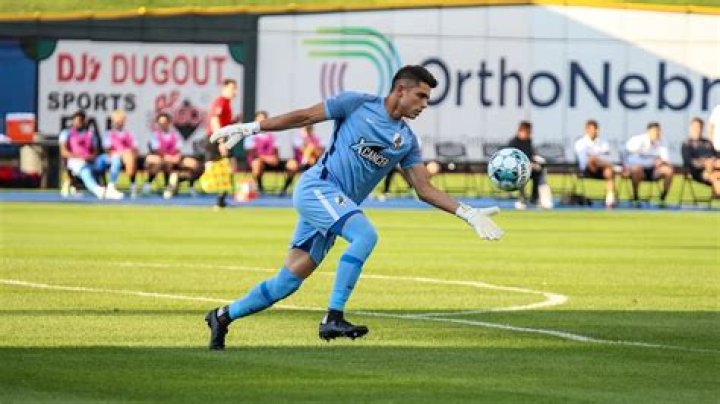
Turf is used to describe sports grass, which is shorter. Artificial grass is the officially correct term for landscape grass, which is longer and fluffier. Back when AstroTurf was first invented we didn't make distinctions like this, because there was just one product. And, frankly, not a very good one at that.
Is Turf cheaper than artificial grass?
In summary. Artificial Grass Vs Real Turf will be slightly more expensive in the short term, but over 2-3 years artificial grass is more cost effective than a natural lawn. Fact.
Why is artificial turf better than grass?
Artificial turf is more resilient than natural grass and will not show the effects of wear and tear as easily as grass yards. Its durability also means that artificial turf won't need to be replaced for upwards of 20 years.
What is the difference between artificial turf and synthetic turf?
Artificial Grass terminology explained
Artificial or synthetic turf: Artificial or synthetic turf is a surface of synthetic fibres made to look like natural grass. Both artificial and synthetic turf as a search term essentially mean the same thing and can be used interchangeably.
What is another name for artificial grass?
The popular name for artificial grass is AstroTurf, coined during the late 20th century when artificial turf became popular. Monsanto developed the first artificial turf using ChemGrass and rebranded it to AstroTurf. But generally, the most used terms for this product are: fake grass.
23 related questions foundHow do you keep fake grass down?
With no need to water, weed, or mow, artificial grass is low maintenance. To keep it looking it's best, we recommend raking it regularly with a plastic rake to remove leaves and debris, brushing it weekly with a stiff brush or power brush, and hosing it down occasionally to remove pollen and dust.
Is artificial turf still used?
It is most often used in arenas for sports that were originally or are normally played on grass. However, it is now being used on residential lawns and commercial applications as well. The main reason is maintenance – artificial turf stands up to heavy use, such as in sports, and requires no irrigation or trimming.
Is turf better than grass for backyard?
The reason turf is used for outdoor play and sporting events is that it can maintain its looks better than natural grass. Additionally, turf can protect players from injury, and it's easier to play on even when it's wet outside. It is softer than turf, but it's also highly durable depending on the material.
Is grass better than turf?
One study showed playing on synthetic turf in the NFL resulted in a 16% increase in lower body injuries compared to the same injuries on natural grass. These results were from the 2012-2016 seasons, during which all injuries in the lower extremities (foot, knee and ankle).
Is turf or real grass better?
Key Takeaways: Artificial grass, more commonly known as turf, requires less maintenance and overall costs less in the long run than regular grass. If you are looking for a more natural and realistic look for your home, real grass might be best for you.
What are the disadvantages of artificial grass?
- For some, a disadvantage is that it will not last for the same time as natural grass will. ...
- Artificial grass can get hot in extreme heat, however it should not cause any burns. ...
- Artificial turf may reduce the biodiversity of your garden as it is made of plastic and so is not a natural material that wildlife can live in.
Can dogs pee on artificial grass?
Yes, dogs can pee and poop on artificial grass — just like they would on natural grass. The good news is that you will not have to clean urine from your artificial grass. It drains away in the same way as rainwater.
How do you clean fake grass?
The best way to clean and maintain artificial grass is by following these easy steps:
- Brush the grass with a broom or a rake.
- Get rid of any surface leaves and debris.
- Remove weeds.
- Infill the turf with silica sand.
Do weeds grow through fake grass?
Artificial Turf is durable and without a doubt more weed resistant than natural grass. However, it is possible for weeds to grow through the small holes in the backing material and around the edges. Depending on the type of infill used, weeds may sometimes develop in the infill.
Can you walk on artificial grass?
We recommend giving your grass a full 24 hours before use to allow any adhesive used in the joins to set. If you do not allow this time then there is a chance the grass will shift before it has settled, which is not ideal!
Is artificial grass more expensive than real grass?
Installing Artificial Grass is considerably more expensive INITIALLY. Artificial Grass costs $5 to $20 per square foot to have Artificial Grass installed, however the cost of maintenance is much less than real grass.
Is artificial turf better than grass for my home?
While it's true that natural grass has several environmental benefits (water runoff, cooling effects, and biodegradability), artificial turf is a more environmentally friendly option overall. It doesn't need pesticides and other harmful chemicals, requires no mowing, and doesn't contribute to pollution.
Why is turf expensive?
While it's true that artificial turf is much less expensive to maintain than natural grass, the cost of it is so expensive upfront because of the procedure it takes to establish and install the turf. Before artificial turf can be installed, all of the current grass and sod must be removed.
How long does turf last for?
Without maintenance, the average length of time synthetic grass lasts is approximately 15 to 20 years. The lifespan, however, will depend on the amount of foot traffic your lawn receives, the type and brand of artificial turf you opt for, and generally how well you maintain your turf over the years, if at all.
Does artificial grass add value to your home?
In summary: yes, artificial grass increases the value of your home.
What are the pros and cons of turf?
Pros and Cons of Turf Fields
- Increased Playing Time. ...
- Turf Fields Are Not Limited by Climate. ...
- Pesticide Free Chemicals. ...
- Turf Fields Save Water. ...
- Turf Fields Result in Fewer Injuries. ...
- Turf Fields Typically Require Less Time to Setup and Offer Faster Installation Than Traditional Grass Fields.
Do players prefer grass or turf?
Studies have shown most athletes prefer playing on quality natural grass fields. The most notable and public disdain for artificial turf comes from the US Women's National Soccer Team.
When should you lay turf?
Turf is best laid in mid-autumn, but can be laid any time between mid-autumn and late winter whenever the soil is not too wet or frosty. In spring and autumn little mowing is needed so newly-laid turf can be left relatively undisturbed for several weeks.
How do you install artificial grass?
You will need a level base on which to lay your artificial grass. Spread about 1-½ inches of builder's sand in the area to create a level surface, using a landscaping rake to distribute it evenly. Then, compact the sand with a tamper or 2X2 piece of plywood and a rubber hammer until it's firm and level.
Can you jet wash artificial grass?
Yes! Power washing the turf will clean the artificial grass quickly. Take care not to power wash solids. Pick up any solids including pet faeces before power washing.