Skiing obviously puts pressure on your knees. The classic legs-bent position channels weight through your Gluteus Maximus, your hamstrings, your quadriceps – and inevitably also your knee joint.
Does skiing damage your knees?
Ligaments can become easily injured because the knee joint relies just on ligaments and surrounding muscles for stability. Skiing often requires rapid change in direction and hard muscle contraction, which are movements that can cause ligament damage.
How can I ski without hurting my knees?
Stick your bottom out and don't let your knees go too far forward. Focus on using your gluteal muscles (buttock muscles) to lift and lower your weight. Your shins should be parallel to one another, with your knees no farther forward than your toes, just like in good skiing technique.
Does skiing put pressure on knees?
Like many sports, skiing puts pressure on your knees. You're constantly in a seated position, moving and bending your knees in different directions not to mention the impact that doing jumps, tricks, and skiing down moguls have.
Is skiing easier on your knees?
Skiing also tends to be harder on your knees than snowboarding. Both feet being attached to the board means snowboarders are likely to experience more injuries when at the beginner stage than skiers. The most common injuries for snowboarders are wrist, shoulder and ankle injuries.
43 related questions foundWhat is worse for your knees skiing or snowboarding?
Most ski physicians agree that snowboarding carries a slightly higher risk of injury than alpine skiing. Most studies have found that beginning snowboarders (60%) are more likely to be injured than beginning skiers (30%).
Is skiing or snowboarding harder on the hips?
Results: The incidence of dislocation with or without fracture of the hip joint in snowboarders was five times higher than in skiers (0.45 per 100,000 visits for snowboarders vs. 0.09 for skiers).
Is skiing hard on meniscus?
MENISCAL TEAR
Meniscal tears do not prevent a skiier from skiing but due to the knee pain with twisting or squatting and swelling of the knee the skiiers performance will be compromised. Eventually a skiier tires of knee pain while skiing and visits a knee surgeon for arthroscopic surgery to fix the problem.
Is skiing hard on your body?
Skiing and snowboarding are great cardiovascular exercises that can help families burn some serious calories and lose weight. The ultimate number burned per hour is based on weight and proficiency, but according to Harvard Medical School, someone who is 185 pounds burns 266 calories in 30 minutes of downhill skiing.
How do I strengthen my knees for skiing?
Wall-Sit Strengthening
Bend your knees at a 90-degree angle, and position your back flat against the wall. Keep your lower legs perpendicular to the floor and be sure your knees do not go out past your toes. Hold the pose for 30 seconds. Then repeat for three sets, resting for 30 seconds between each set.
Why does skiing hurt my knees?
Skiers put heavy stress on their knees that causes a condition called runner's knee. This knee pain syndrome causes pain around the front aspect of the knee. The pain occurs with walking up or going down stairs, squatting, kneeling, or sitting.
What is the most common skiing injury?
What are the most common skiing injuries?
- Anterior cruciate ligament (ACL) rupture or sprain.
- Medial collateral ligament (MCL) rupture or sprain.
- Shoulder sprains, fractures and dislocations.
- Wrist and thumb fractures.
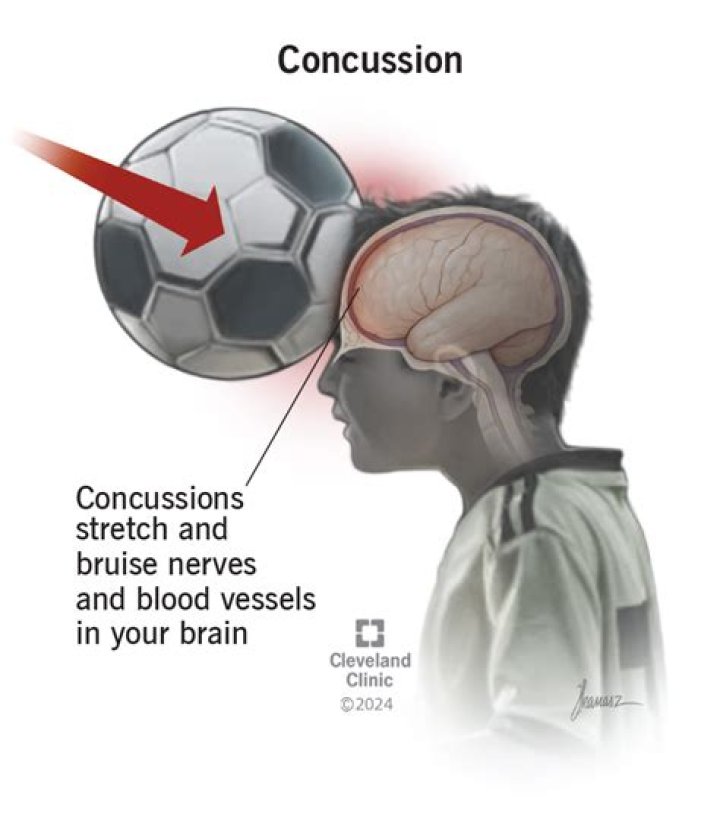
- Head injuries, whiplash and concussion.
Why do skiers tear their ACL?
ACL injuries most often occur while skiing through a forward, twisting fall, often via the “slip-catch mechanism”. In the “slip-catch” mechanism, the inner edge of the outer ski catches the snow during a turn, forcing the knee into valgus and the tibia into internal rotation.
Should I wear a knee brace while skiing?
Wear a knee brace during skiing to reduce the risk of a knee injury. Knee braces provide around 30% more resistance to stresses placed on the knee ligaments. The protection of a knee brace provides support to previously injured knees and helps to prevent knee ligament injuries.
Can I ski without an ACL?
Roughly a quarter of recreational skiers who tear their anterior cruciate ligament (ACL) while hitting the slopes can be successfully treated without surgery, according to a new study.
Does skiing build leg muscle?
Skiing strengthens all the muscles in the legs, including your hamstrings, quadriceps, calf muscles and the gluteal muscles. The squatting posture in skiing is an excellent position for strengthening the hamstrings and the gluteal muscles.
Why do I feel so tired after skiing?
It's the fatigue of the muscle, not the ability to jump really high one time or run a sprint. It's the ability to stay and produce that power and energy over a long period of time, hence the last run of the day. At the end of the day, it's fatigue. It's training.
Is skiing a rich person sport?
But despite the availability of deals, a report commissioned in August by the National Ski Areas Association found that skiing in the U.S. has increasingly become a sport for the wealthy.
What does a knee sprain feel like?
Pain with movement or activity in the knee. Swelling in the knee. Walking with a limp or a feeling that the knee is going to “give out” with standing and walking. The feeling of a “pop” or “snap” felt in the knee when the injury occurred.
Can skiing cause a meniscus tear?
The meniscus can become damaged if the knee suffers direct trauma and twists too sharply. It often occurs when the foot is in a fixed position, as it is when wearing ski boots.
What does an MCL tear feel like?
MCL injuries hurt. Most people feel pain along the inside edge of the knee, and they also have swelling. You might hear a pop when the damage to the knee takes place, and your knee may lurch to the side. You may find it hard to walk, or feel like you can't put pressure on the leg with the hurt knee.
Is skiing harder on your body than snowboarding?
Do I need to be more fit to ski or to snowboard? You need to be pretty fit to be a good skier or snowboarder. But to begin with, skiing is a bit more demanding on the legs and thighs, whereas snowboarding tends to need more core strength, as the upper body is more involved with turning and balance.
Should you learn to ski or snowboard first?
“Most people find skiing easier to pick up to start with because you can still move both legs and feet independently. Once you have mastered how to stay balanced on a board the learning curve for snowboarding speeds up.
How long does it take to learn to ski?
with modern ski equipment and good instruction an average adult can be skiing simple green terrain at the end of their first day. But, for those skills to take hold it'll be on the order of three to five days before they're really comfortable on skis.
Is skiing high impact?
High-impact exercises are the opposite side of the spectrum. These exercises have high-impact on the joints. Examples of high-impact exercises include running, skiing and gymnastics. High-impact exercises put you at higher risk of injury, especially if your form is not correct.